Adoring fans,
We had a killer day! Made some decisions, giving us a clearer direction and a new momentum.
“Are you ready to order yet?”
We met up with Bailey Boudreau, founder and artistic director of Slipstream Theatre Initiative. We wanted to discuss figures to get a handle on the logistics of running a theater in this town.
The meeting was incredibly informative, start to finish. In fact, we were so engrossed in conversation it took us over half an hour to order.
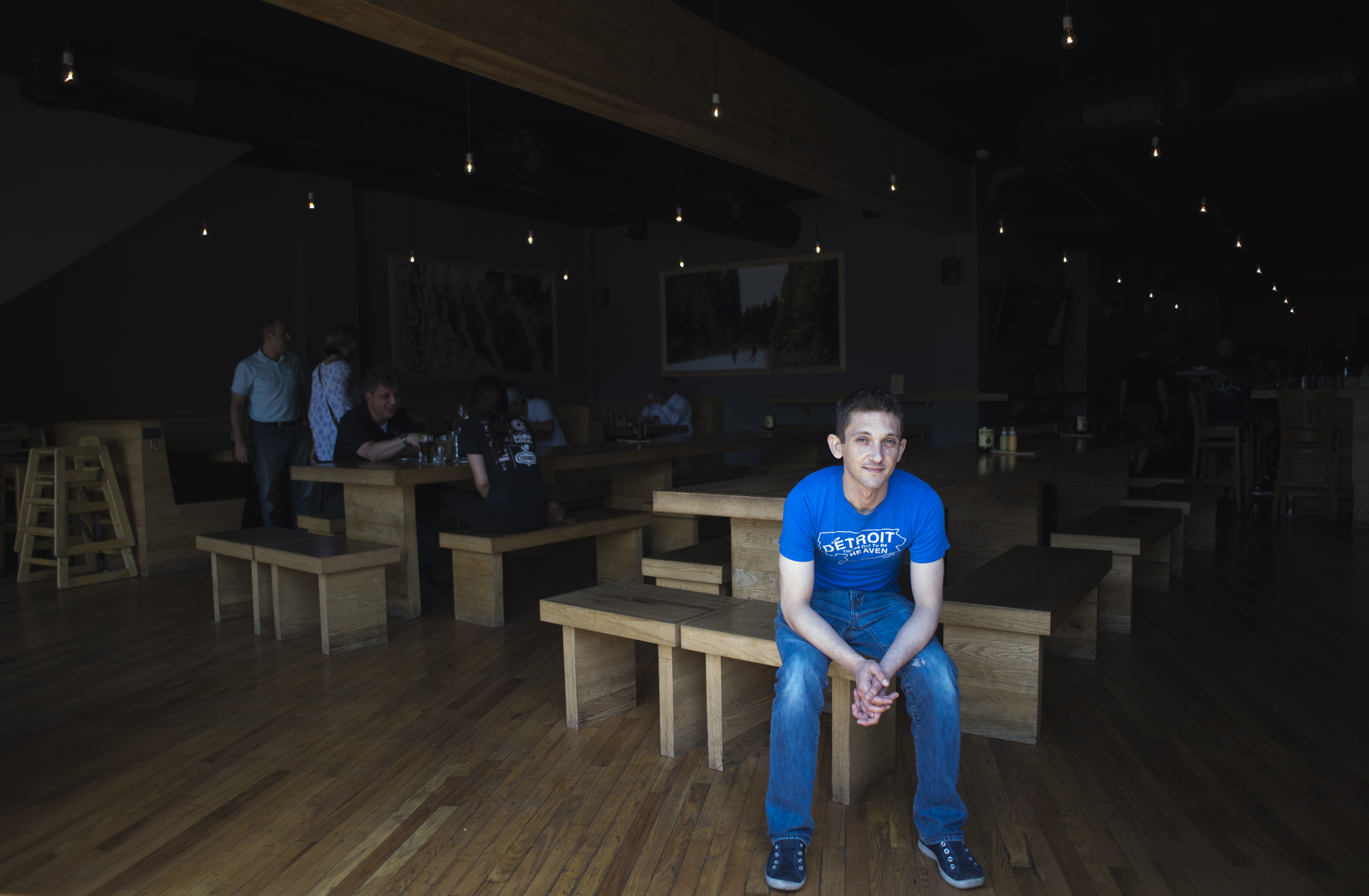
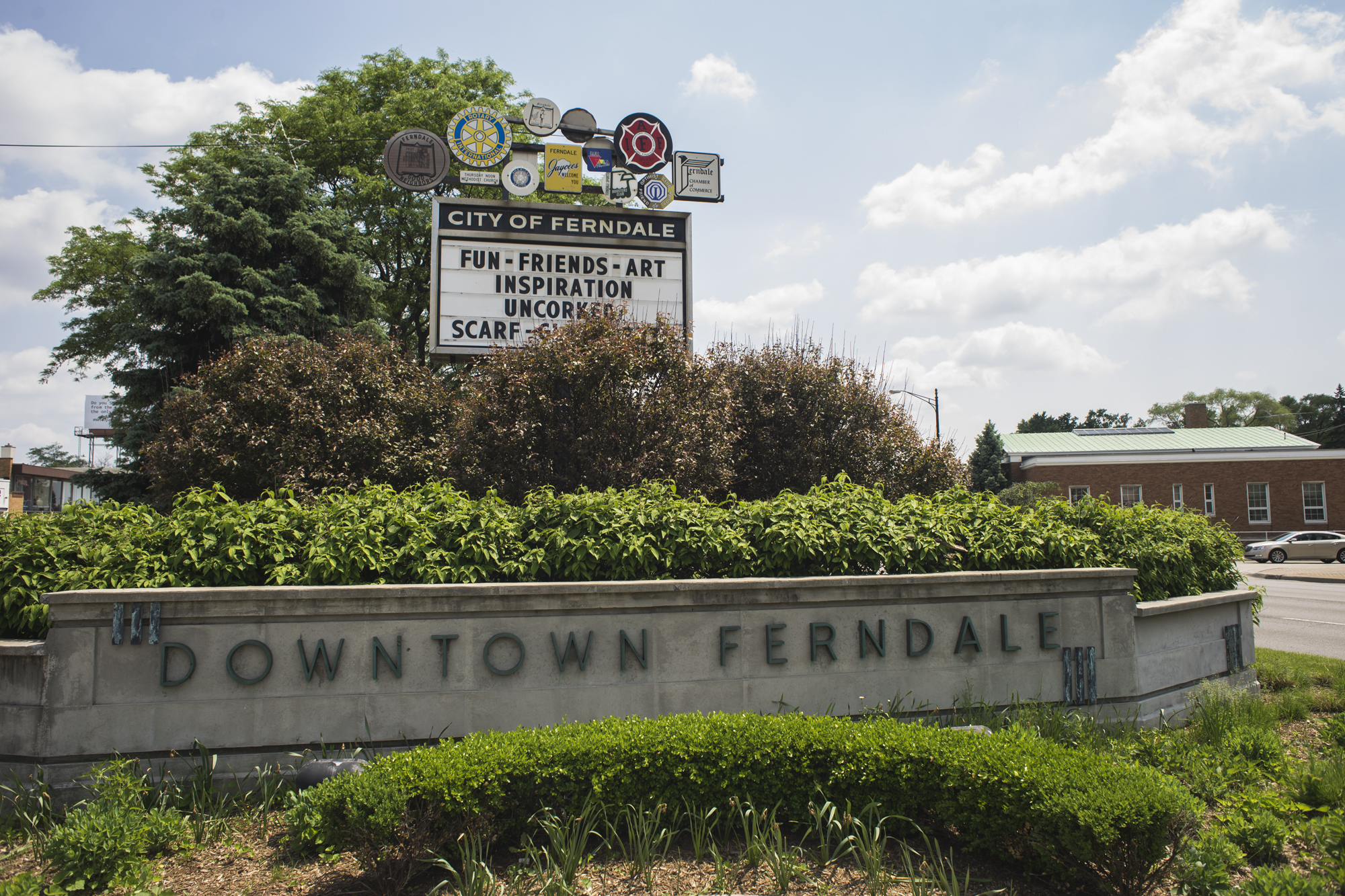
Deciding where in Detroit to set up shop will be dicey, a process Bailey knows well since Slipstream is currently looking into buying a permanent space (a year after its inception). Right now they’re looking in New Center, Ferndale, all over really. They advised us, though “getting a grant is easier in Detroit. All the grant committees know you need arts to build a downtown.”
Further “we don’t want the building to look like a theater, we’ll get stuck doing safe work. We want to have the possibility of it becoming something else if it needs to” whether that’s a restaurant their donors can continue to profit from, but also so that they can adapt to the changing definition of theatre.
He had this to say about donors: “We’re a closed company: we use the same people in our shows. And that’s something the donors want to buy into because they feel like they’re part of something…A lot of our donors are parents of my students, and they’ll come to the shows without their kids.” Those “students” he mentions go to West Bloomfield High School where he teaches and directs theatre.
This demonstrates my (Rory’s) idea exactly: educate kids so they become interested, they drag their parents to the plays and their parents end up becoming fans, too. (Patronage would be icing on the cake; Slipstream is killin’ it).
He said bringing collaborators from UNCSA would be taken well in the city. “We want to show actors from elsewhere this is a good town for theatre.”
He was also encouraging about our coffeehouse/venue/gallery space/theater idea: “I think that’s great. The definition of theatre is changing and now is the time.”
As for cities to move to: “Don’t go to New York, LA or Chicago. Go to Detroit, Pittsburgh, New Orleans, Atlanta. You’ll be able to work, you’ll find like minded people…Personally I think you should go where you can make a difference…If you’re interested in education and public outreach you have to go to a place with an unsure future.”
Then we zeroed in on the pay: “Sometimes depending on role size as well as the budget, the theatre, the show and tons of other factors, the pay varies. The average four week run of a show is around two hundred per actor, sometimes less, sometimes more.” So at $200 per production, with three 9-hour rehearsal weeks, an 18-hour tech week and four 9-hour performance weeks (a total of 81 hours) an actor will make $2.50 per hour (estimated roughly). Minimum wage in Michigan is $8.15 per hour.
To clarify: this truly is a rough estimation. There are so many variables that come into play that a range may be more appropriate, let’s say between $2.50 and $3.70.
But that’s still less than minimum, and it seems very unlikely that the range would exceed $8.15.
How can we possibly persuade actors and designers to give up working in a theatre mecca promising them $2.50 an hour?
Of course, we’re talking about non-union companies. Further, we’re talking about theatre as a business, which generally relies on donations to keep the lights on.
But we want to pay our actors a working wage. That’s an ideal, but it can be done.
We just need to figure out how. More on this later.
“There’s something to be said for taking things slower”
We got coffee with Clearie McCarthy, an actor we met at Lylanne’s rehearsal (check out the play at the Metro Detroit Fringe Festival). Clearie is a rising senior in Wayne State University’s BFA Acting Program.
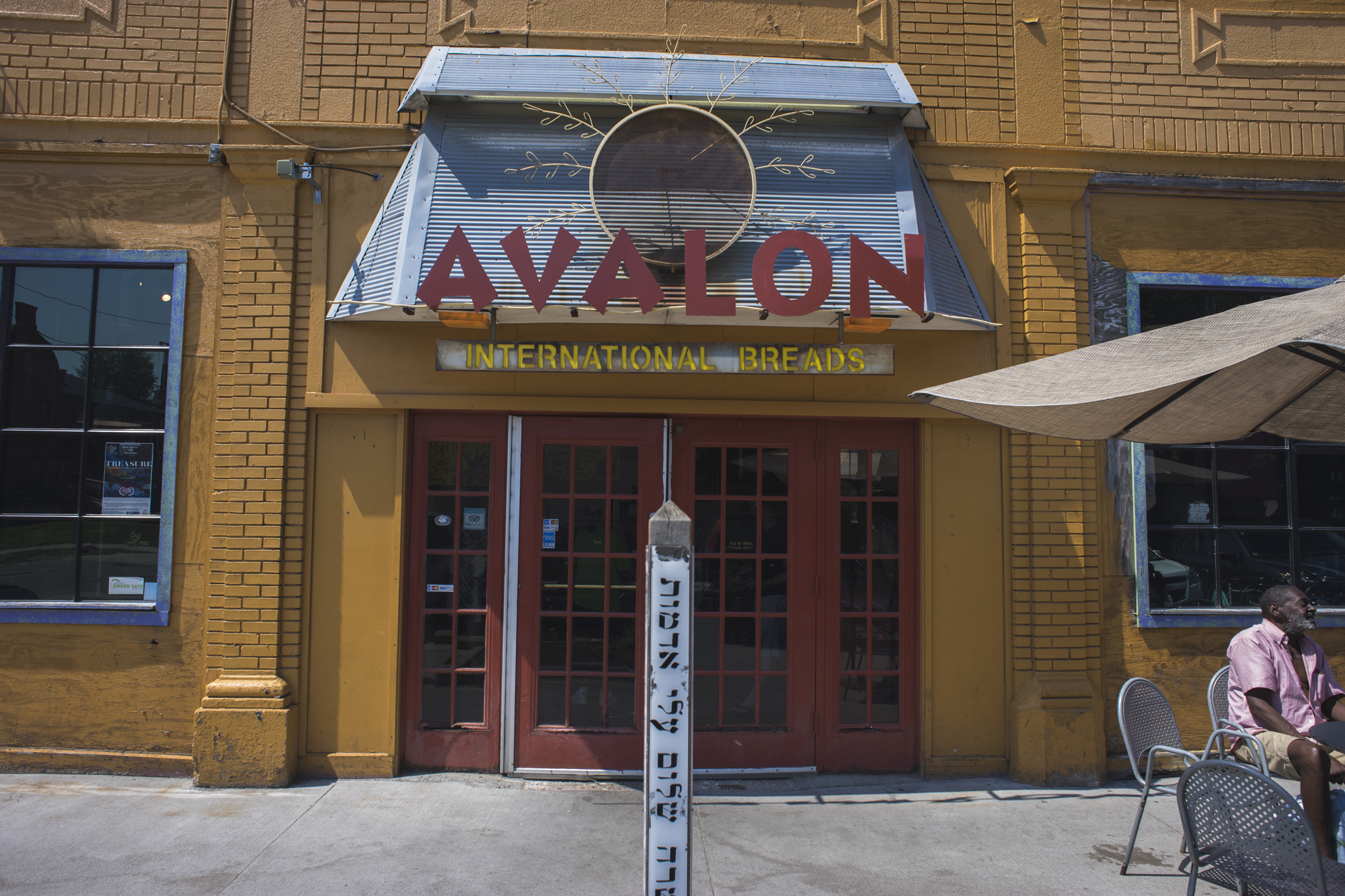
Somehow, we found ourselves asking her “what do you think of gentrification?”
She answered that good things are happening in Detroit: lots of startup businesses, lots of attention — what most people have cited. But she took it a step further: “there’s something to be said for taking things slower, we don’t want [people priced out of their neighborhoods like] what happened in New York.” She went on saying that we need to find a sustainable future for Detroit, a system that is “not super capitalistic and becomes unaffordable at some point”; she cited businesses needing bailouts as not sustainable.
Then we asked the million dollar question: what are your plans after graduation?

She said that she would need her senior year to figure it out; it depends on her collaborations with classmates, how her showcase in New York goes and so on. But she did mention that she “got a grant to do improv to explore bystander intervention on sexual violence.” For this grant, she and a collaborator are acting out scenarios of sexual violence in public to see how people honestly react and to raise awareness for nonviolent ways to deal with these situations. Very cool.
She went on to say that this grant may “push me in the direction of applied theatre after I graduate”. She defines applied theatre as “applying theatre to the real world” to affect positive change, citing theatre of the oppressed.
As for working in Detroit, “Taxes are high, it’s hard to live here… I had a friend who was working steadily, commercials, theatre — but he was working as a server.” She also racked up over $1,000 in parking tickets her first year here. I bet Gary wrote at least one of them.
This goes back to our discussion with Bailey: actors are finding it hard to make a living here.
“We’ve been here since 1957”
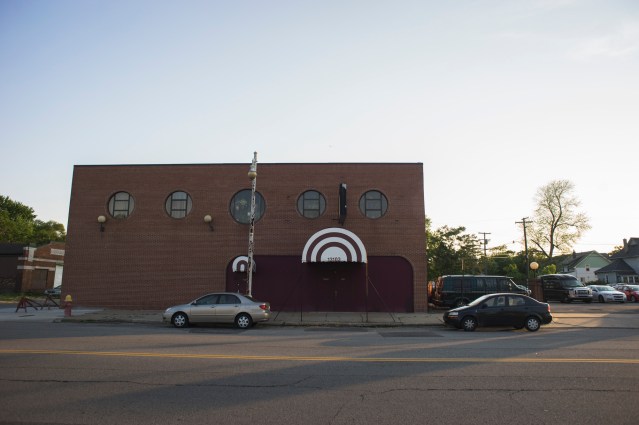
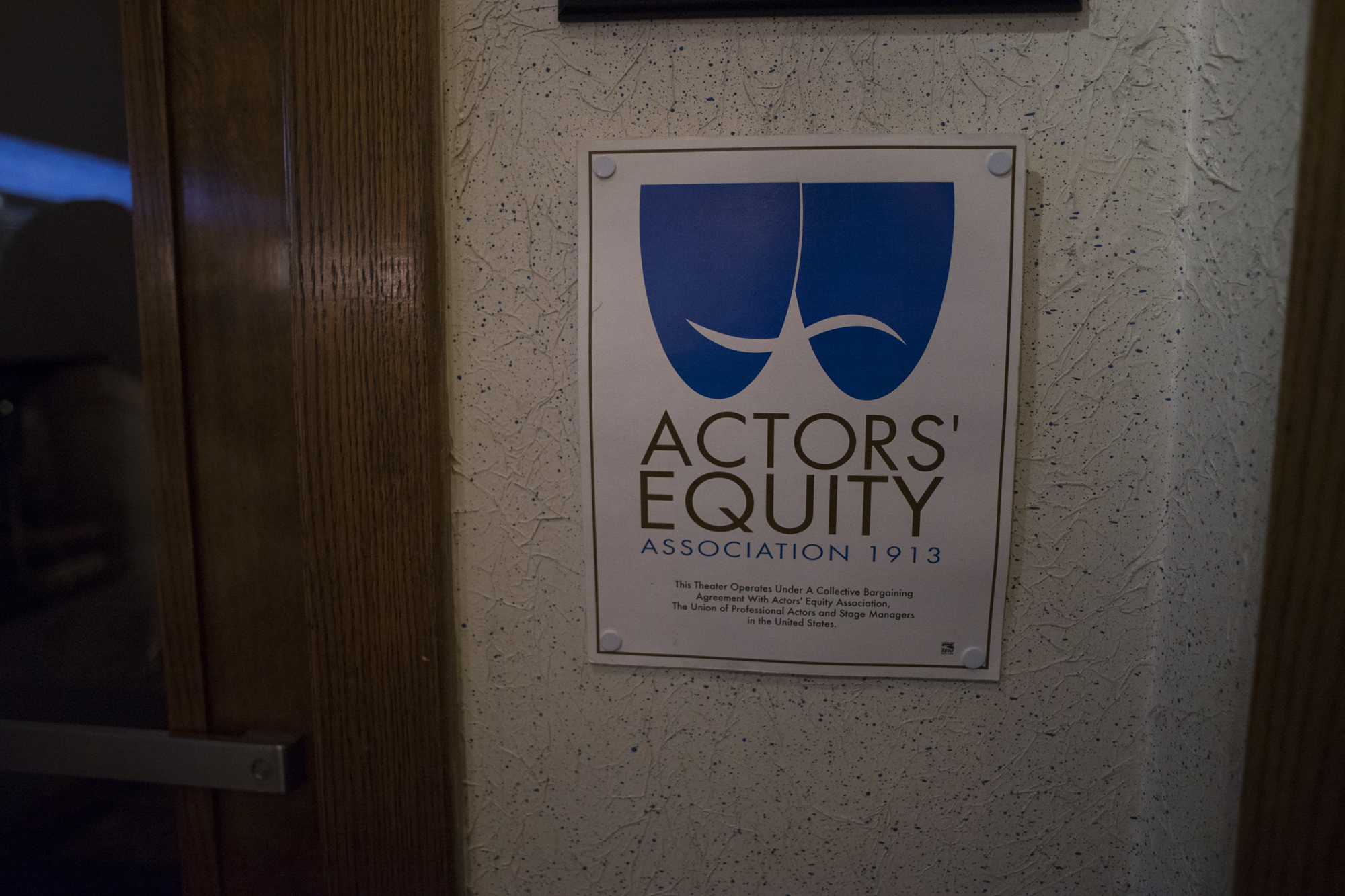
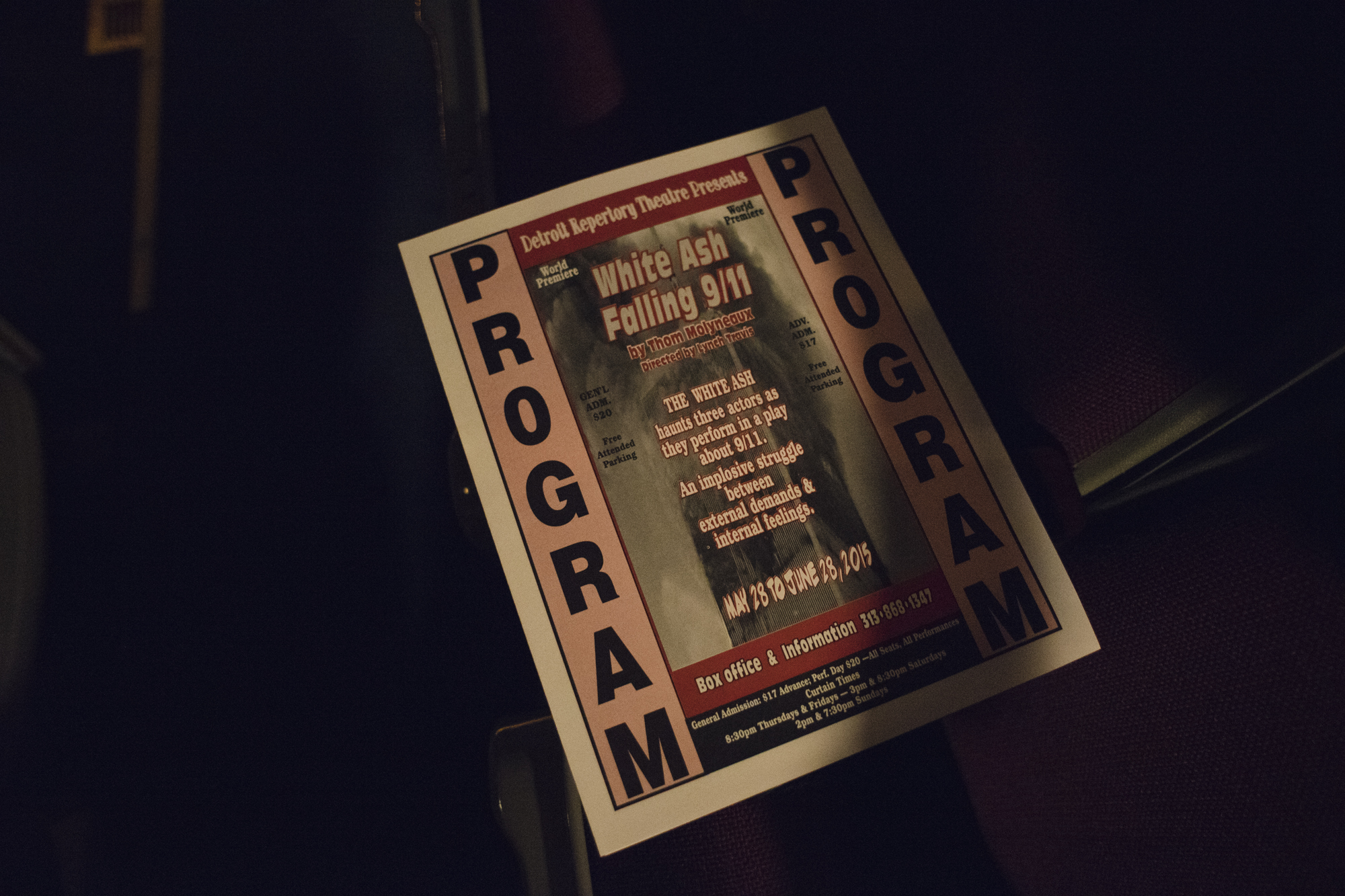
This theme carried through for us into our final event for the day: opening night for White Ash Falling 9/11 by Thom Molyneaux at Detroit Repertory Theatre. The company has been in operation since 1957, in this location since the early 60’s; they operate under an Actors’ Equity Association Small Professional Theatre contract.
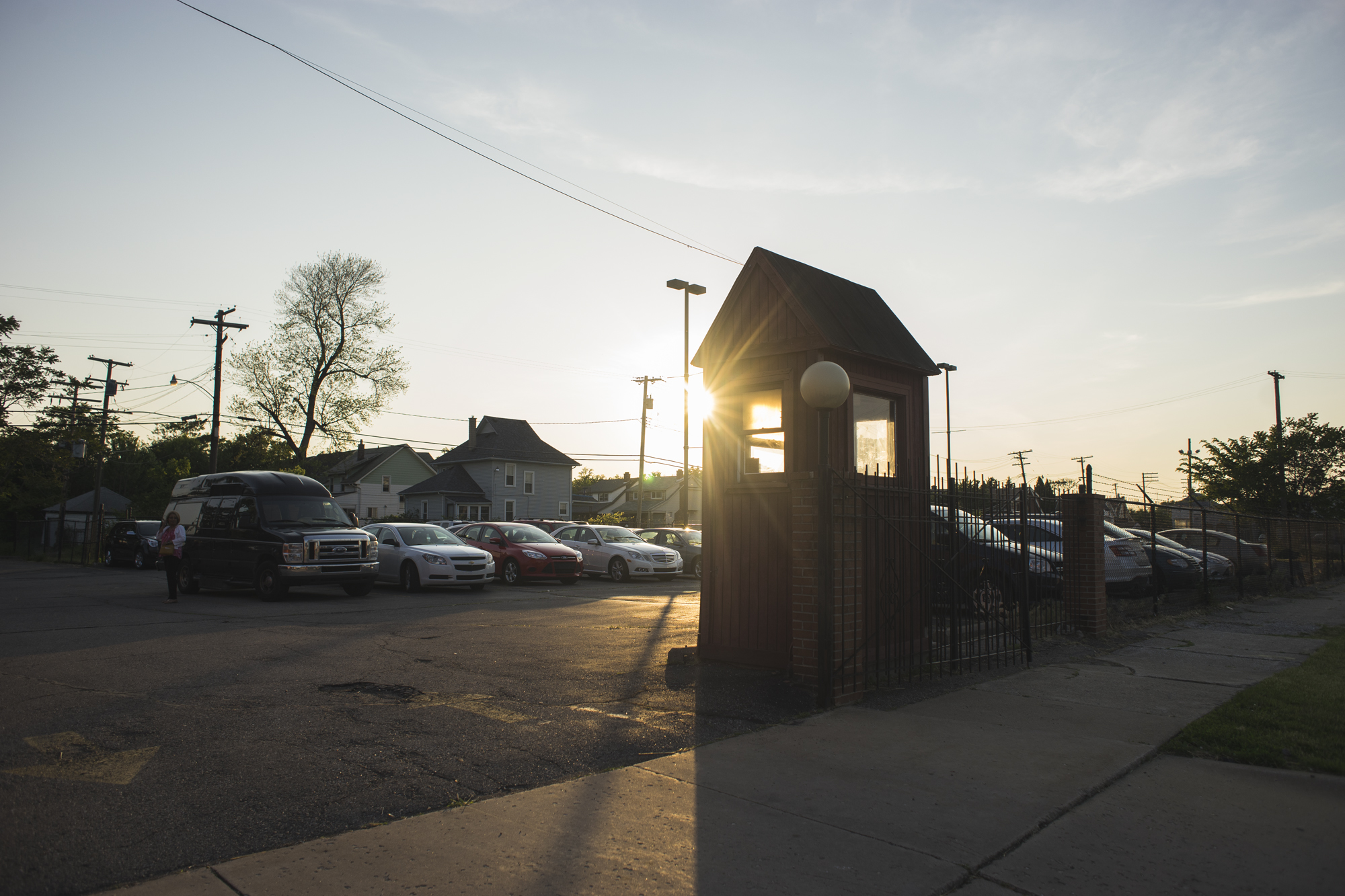
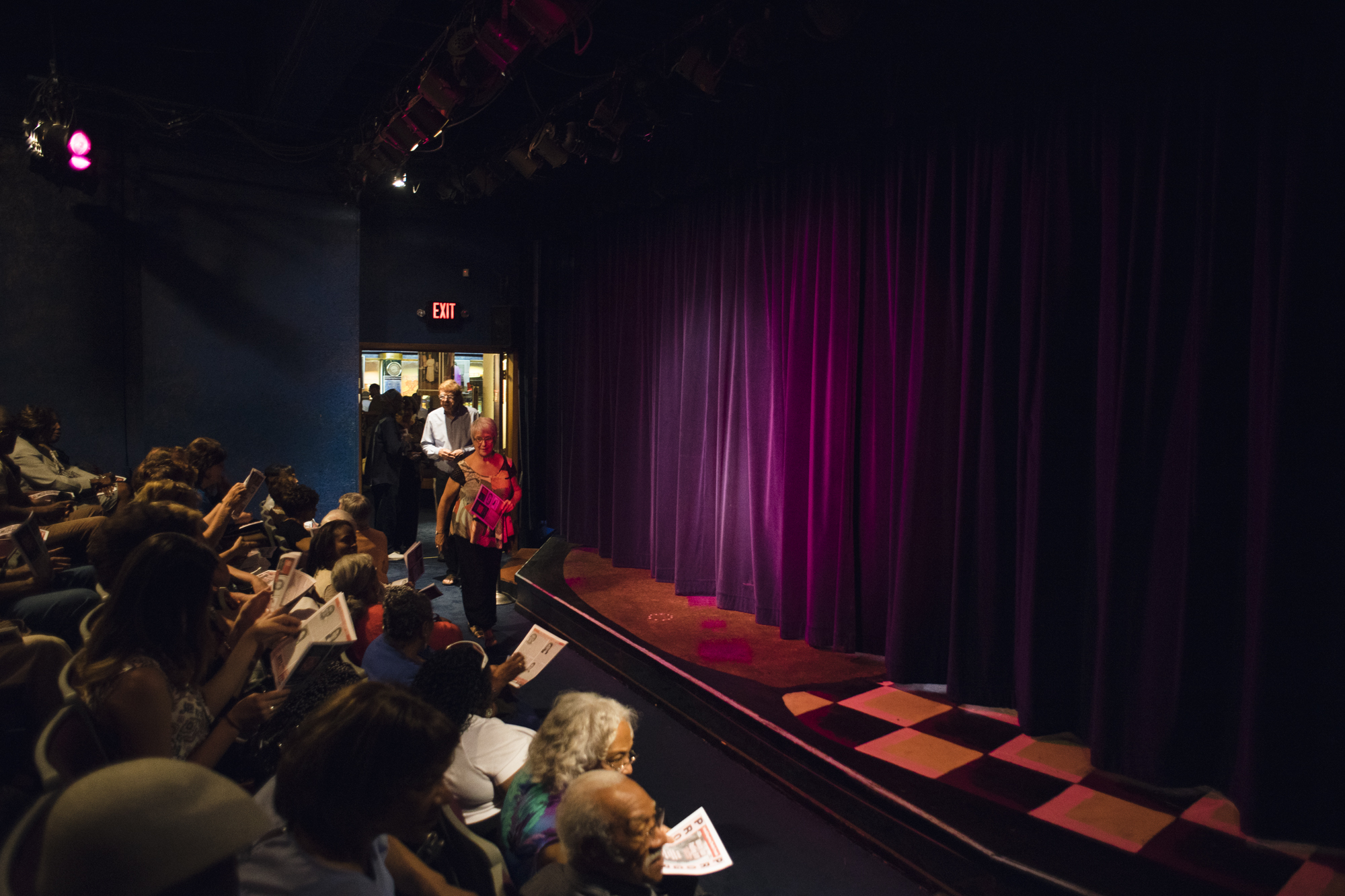
It was well-attended; the audience filled up about 90% of the 194 seats.
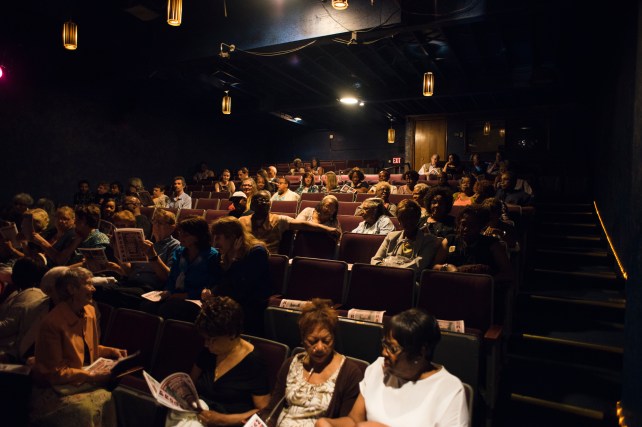
The play was quite well-written, and we don’t just say that because the playwright was in the house. Also the acting is among the strongest we’ve seen in the city.
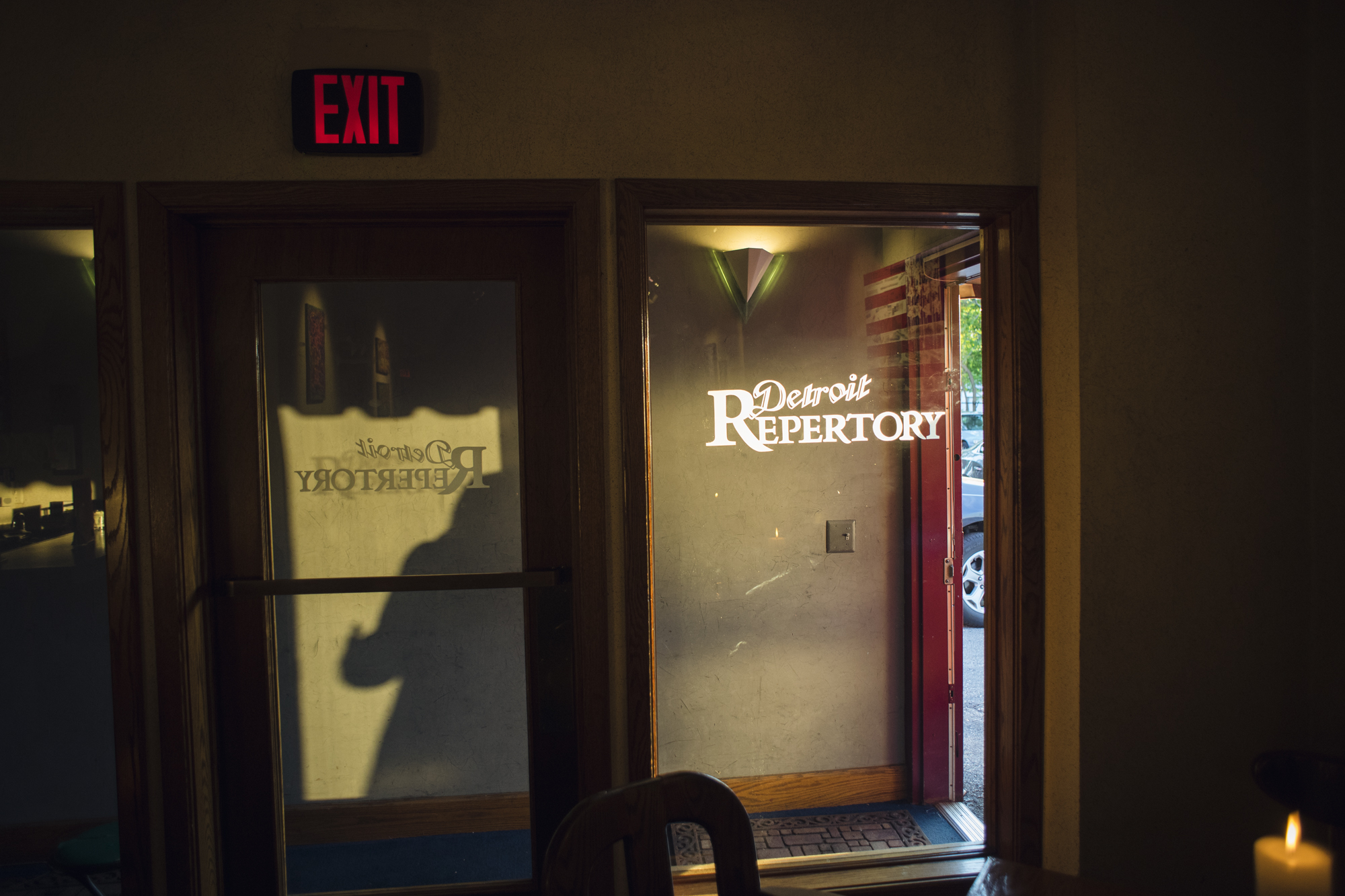
But most pertinent to our research was our conversation afterwards with their Director of Development Leah Smith who said “smaller theaters won’t make it if new community theaters pop up and don’t pay their actors.” Even worse if the actors have to pay to be in a show.
Ryan got the impression later that by “community theaters” she also meant those theaters that pay their actors very little. “What is professional?” she asked. “Does that just mean people are getting paid? Or does that making enough to live on.” She went on to say from an audience’s perspective why should they want to pay when the actors work for free? It’s obviously a hobby, right?
It’s never been a hobby for Ryan and me; it’s a compulsion. I have to create to find my equilibrium and stay sane; I’ve met a lot of artists who feel the same.
Further, Ryan and I have trained to the point that it has changed from a compulsion to a profession.
So we want to make a career of it. However, a director’s work doesn’t happen without actors, designers and stage managers.
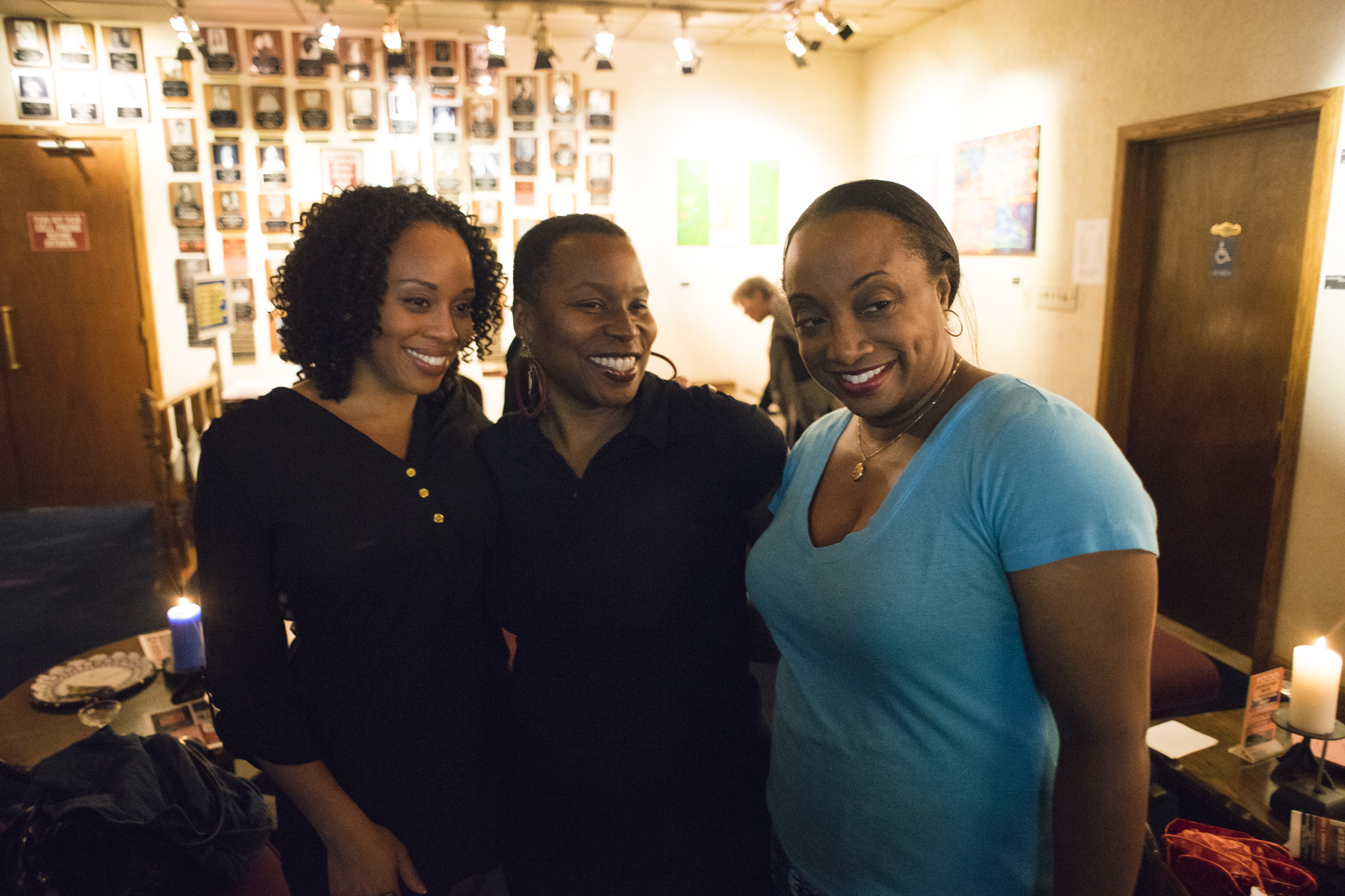
A seasoned actor we met there said “where it is now is about as healthy as I’ve seen Detroit”. Even so, Detroit Repertory is the only equity house in the city; the closest besides them is Meadow Brook Theatre, about an hour away. Detroit Rep is the most reliable, having been around since 1957 (by far the longest-running theatre of its size in the city).
So is getting paid less than a McDonald’s worker the best an actor can look forward to?
If we end up in the Motor City we need to drive the minimum wage for actors up to a point that is reasonable: something they can live on. It seems ludicrous to ask someone to work that many hours at a job that will not pay the rent, regardless of how it benefits their souls.
An older African American lady stopped me in the lobby after the show to ask how I’d heard about the theater. I told her I was doing research and that this theater had come up a lot. She replied that her son works in education in the area, giving me his number. When I asked her why she had stopped me she said “I’m just surprised: we don’t usually see this many white people…the audience is usually about 80% black”. Tonight that demographic had probably been reduced to about 60%, making this our most integrated theatre experience so far in Detroit. Also, Detroit Rep is the only theater she goes to. “It’s small and intimate and I feel like I belong to something here, it’s where my roots are.” She then told the story of “power children”, children of CEOs belonging to the baby boomer generation; they would come to this neighborhood “in search of reality.” They wanted to see how other people lived.
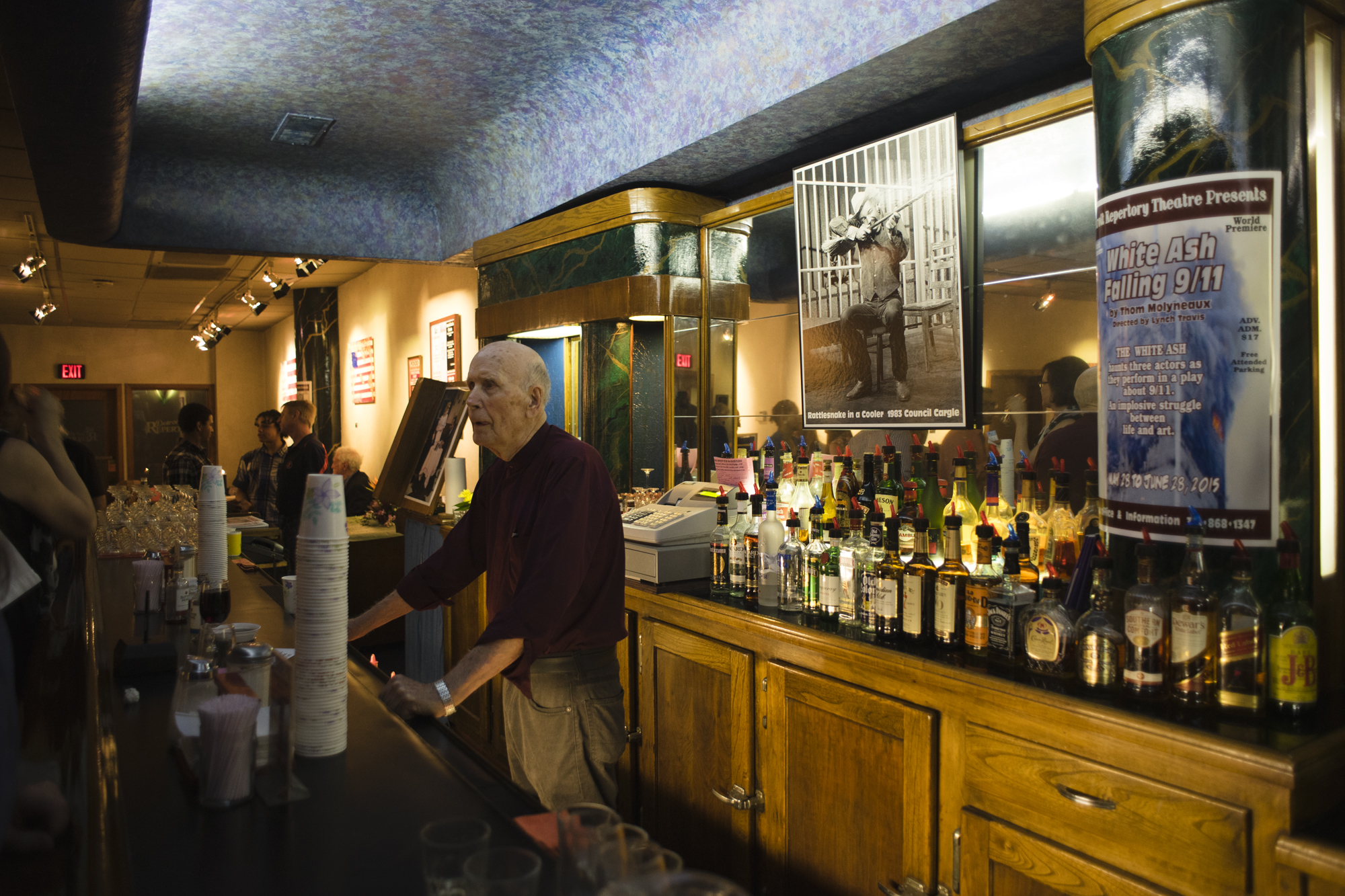
Artistic Director Bruce Millan
Ryan and I are a bit like these “power children”: we are in search of reality. We don’t come from great wealth, and we aren’t “going to the other side of the tracks”; we’re just looking for the truth.
One truth is that we’re tired of hearing “no one pays actors” and “you’ll have to pay your dues”. We don’t mind paying dues, but not when that means starving without a foreseeable means of income; and we don’t want to ask that of others.
So here’s what we’re thinking as of now: at first we only have a summer season, using the rest of the year to prepare material, secure a space, cast, crew and designers. We would hold auditions in Detroit, at UNCSA, and possibly a few major cities like New York and Chicago. This way, no one has to commit to living here permanently, just a couple of months, relieving the pressure to provide a continual source of income for anyone we bring with us. Maybe after being here for a couple months they’ll decide to stay.
Also, this means that we can focus all of our attention on the time of year when most people want to attend theatre. If we get a space, we become curators and producers in the off months.
That’s the plan, man. At least for now.
Hope you’re as excited as we are!
All the best,
R&R
 Should a Young Artist Move to Detroit?
This city needs a summer stock!
LikeLike