Today was a catch up day — on work; hopefully tonight we’ll catch up on sleep (HA! Not when we’re revising this at 3:57 am).
We got up at 10 am and checked out of Hostel Detroit by 11.
We called Kirk Goodlow to say as long as the upstairs is as beautiful as the rest of the house, we’ll take it.
We then made our way to the Bean Bar, a downtown coffeeshop where we got the first “maybe” to our thesis question! She was hesitant, saying “it depends where you live…downtown is best.” One more vote for downtown!
We stayed at the Bean Bar for a couple hours and caught up on some work. Ryan designed some business cards for us, Rory worked on the blog.
After the Bean Bar closed (at 2 pm? for real?) we went to order our business cards in person.
So we pull up to this very unassuming grey building that says “Detroit Legal News” and “Inland Press” along the front of it. We walked in and were met by a sales representative named Ray Schauer. Ray immediately asked what we needed the cards for, so we told him our spiel. Then he asked us to “come on back” to pick out what kind of paper we’d like to print the cards on.
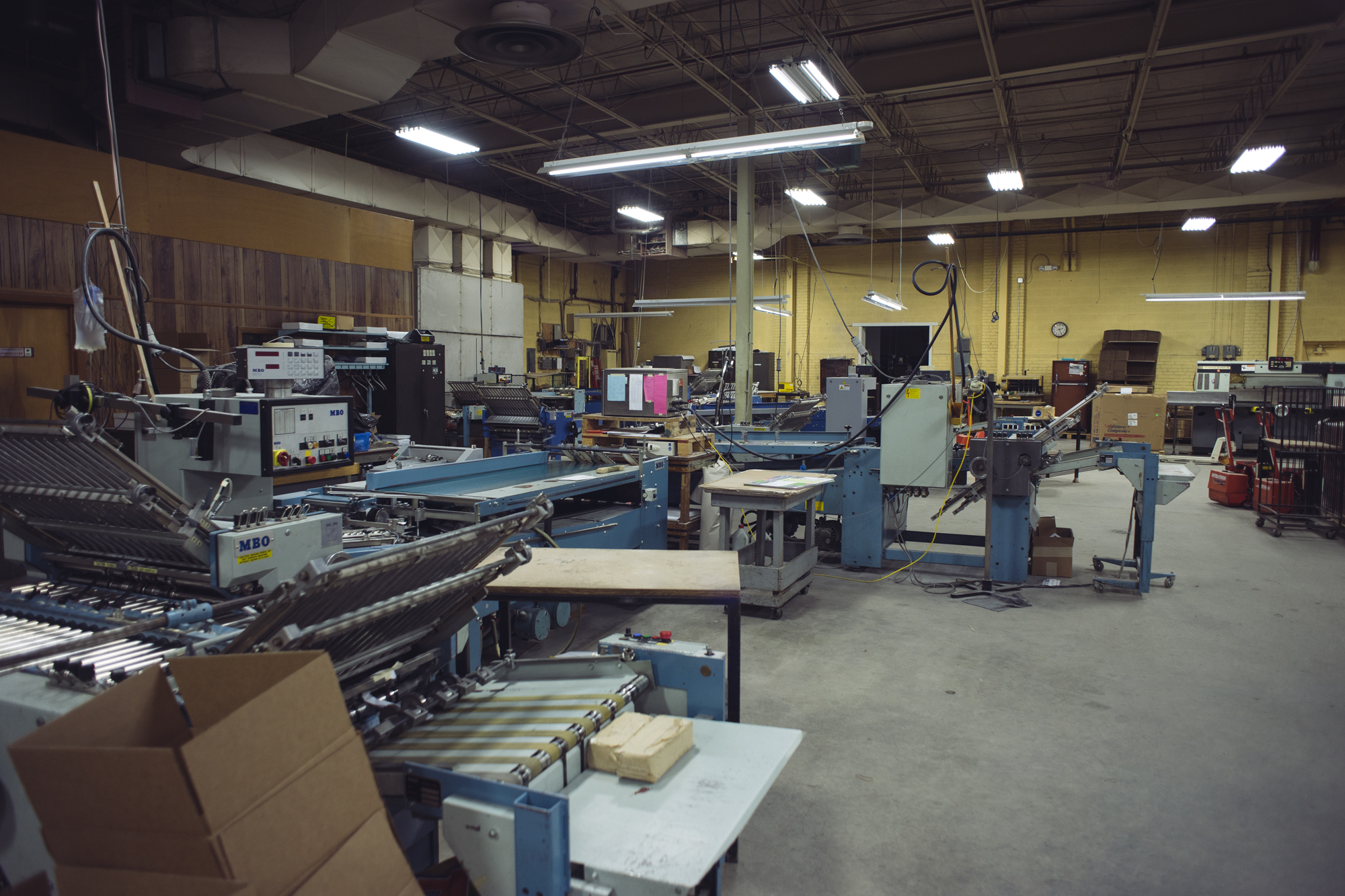
First thing when we got in the back, Ray prodded a coworker and said “Hey, these guys want to open a theater in Detroit. You busy?” The guy said “yeah”. Ray said “well come out and talk to them anyway”. We picked out the paper pretty quickly, then spoke to Ray and his associate about Detroit for about ten minutes. When we popped the question (“Should a young artist move to Detroit?”) we got a “pft yeah, no question”. They reinforced what we had been hearing about Royal Oak and Ferndale: that’s where the money meets the interest in the arts around here. They also mentioned the Illitch family (Mike Illitch started Little Caesars Pizza and owns the Detroit Red Wings, their pro hockey team) as people sinking money into the revitalization of the city along with Dan Gilbert. They told us places we needed to visit, sharing many different restaurants, gave us the lowdown on parts of the city, theaters out in the suburbs, and names of people who could help us connect to the theater scene. Then the sales rep left us alone with the other guy, a native Detroiter who commutes an hour everyday to work in downtown. He talked it up, saying his brother got married in the church right up the road and that Detroit started to become very exciting in the last several years — a theme we’ve been hearing a lot.
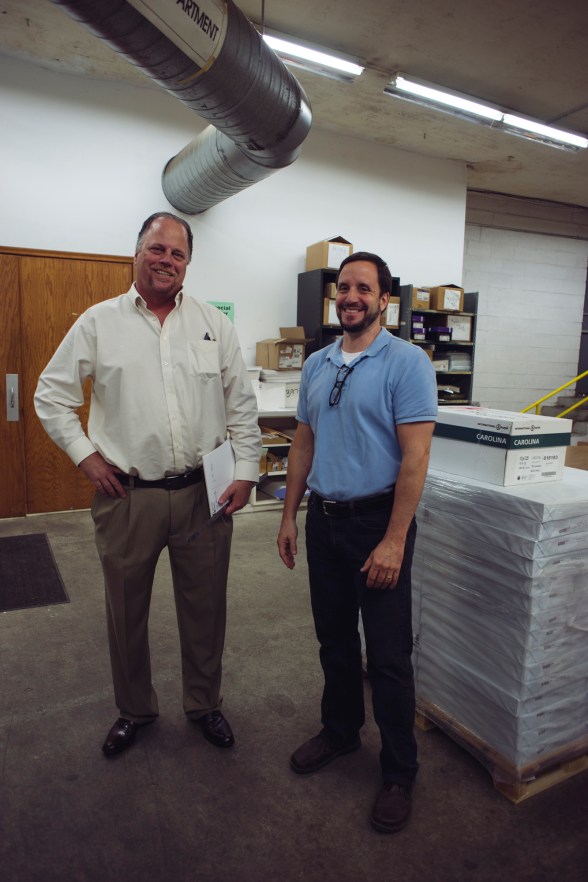
Then the sales rep walks back with an older, wiry, bespectacled man who amiably shook our hands, introducing himself saying “Hi! I’m the CEO”. His name is Brad Thompson and we later learned that his great grandfather started the company in 1895; the business has been in the family ever since.

He reiterated the rave reviews of Detroit and very enthusiastically encouraged us in our endeavors.
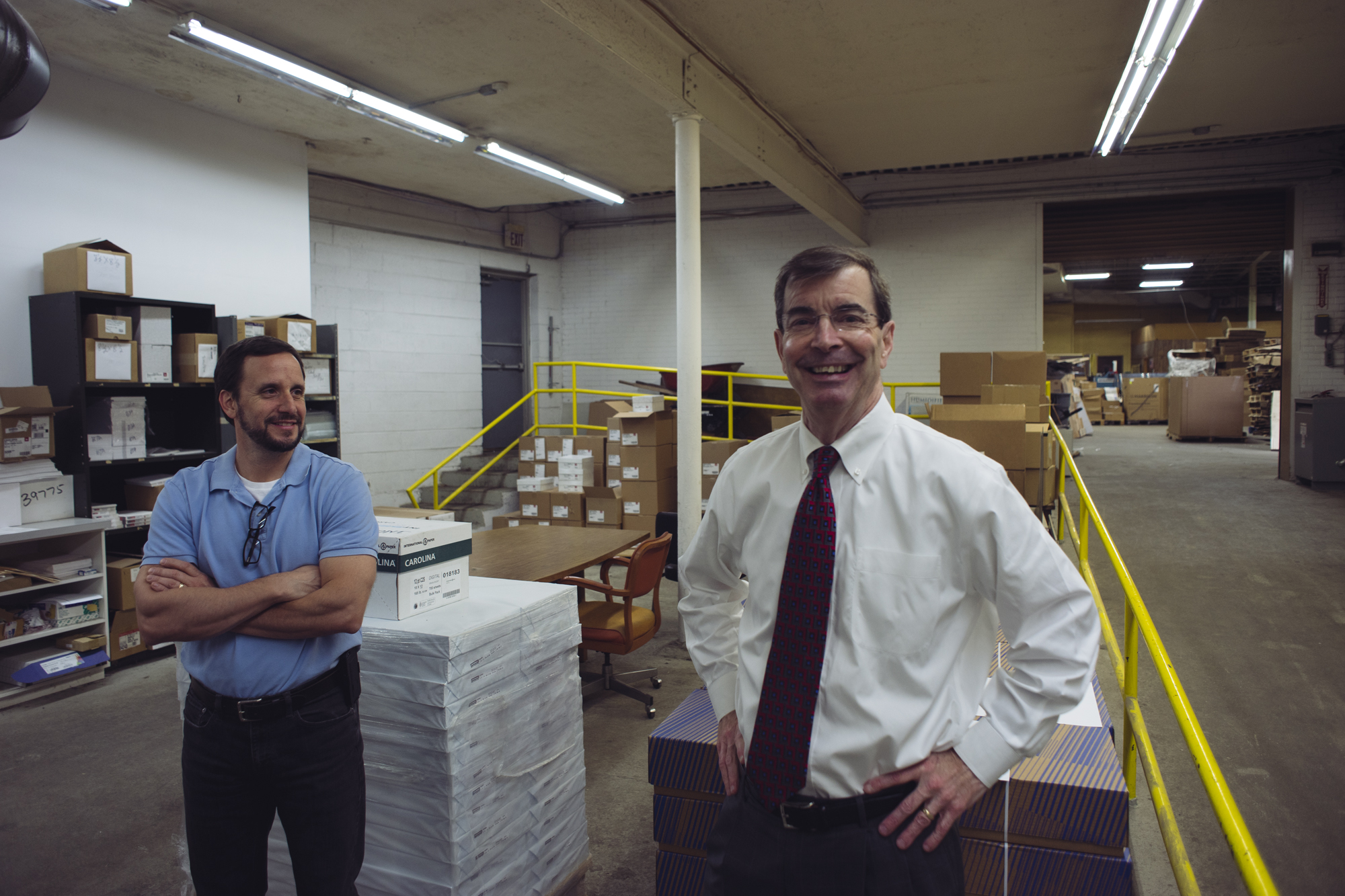
The surreality was thick in the air at this point. We did not expect anything like this; we just came to get some business cards.
But it doesn’t stop there. In walks a very normal-looking guy and they all go “Hey! This is Brian Cox! He’s a playwright who runs a production company!” (WHAT?!) We started speaking with him about his work and found out he had just closed a show he directed. Then, he invited us to come to an informal reading of a new play at his theater! (REALLY?!) AND he gave us incredible info. He said that if he was a young person now he would move to Detroit; when he was our age, definitely not, which is why he left for Chicago. “But now the scene looks more like you than me, which is exciting!” (meaning it’s a younger crowd). He has since moved back to the area, settling in Ypsilanti, MI where he runs From Around Here Productions which features new works by playwrights from the greater Detroit area.
We also found out that he is the Editor for the Detroit Legal News, which is owned and operated by the same people as Inland Press.
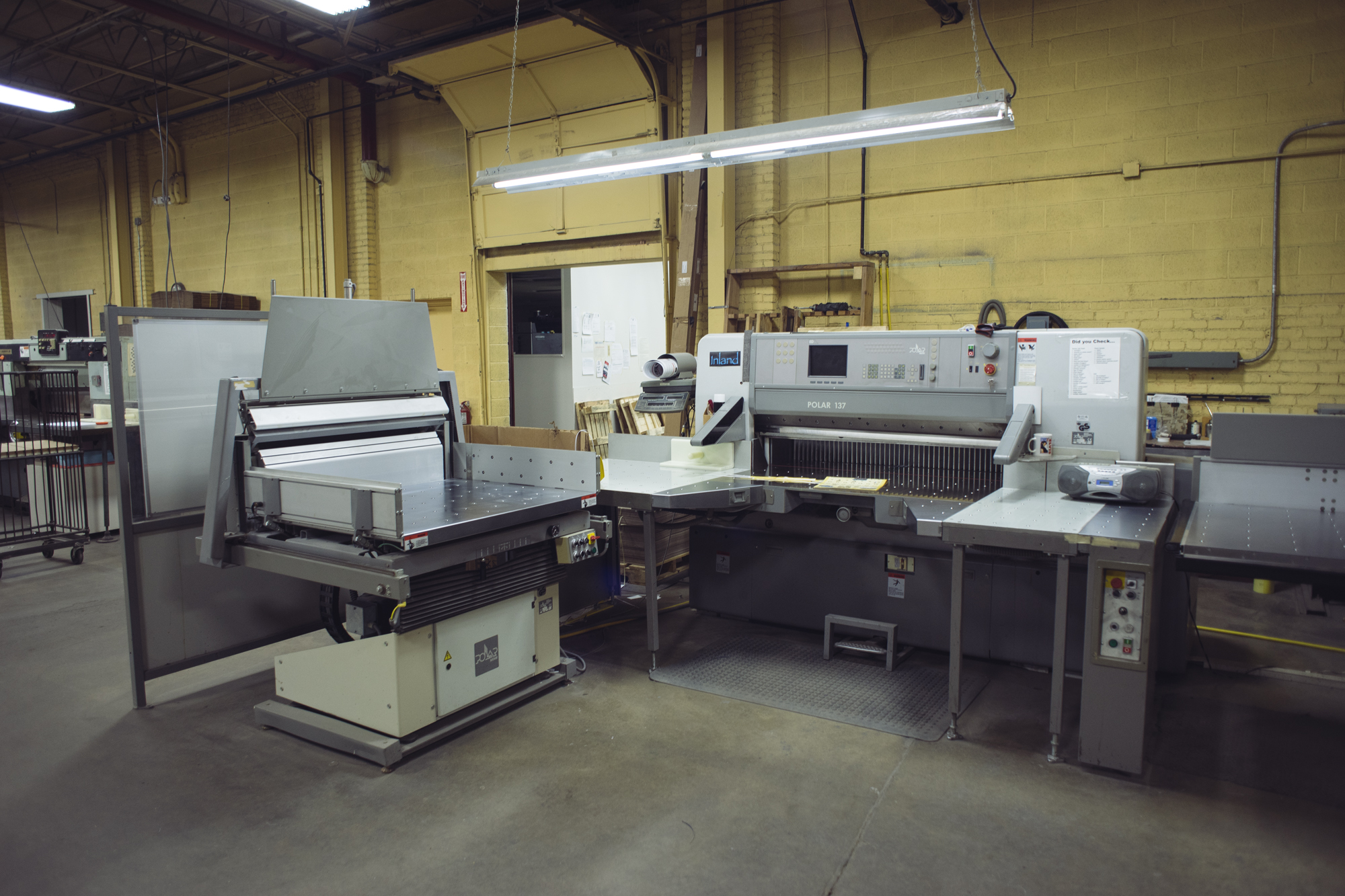
Then our sales rep, Ray took us on an in-depth tour of their facilities. They have state-of-the-art printing presses as well as totally mechanical equipment from the 1950’s which they use to print and prepare the Legal News publications for all counties in Michigan. We also found out that the Batman V. Superman movie asked to take over the building for a day to shoot a scene in the “Daily Planet”.
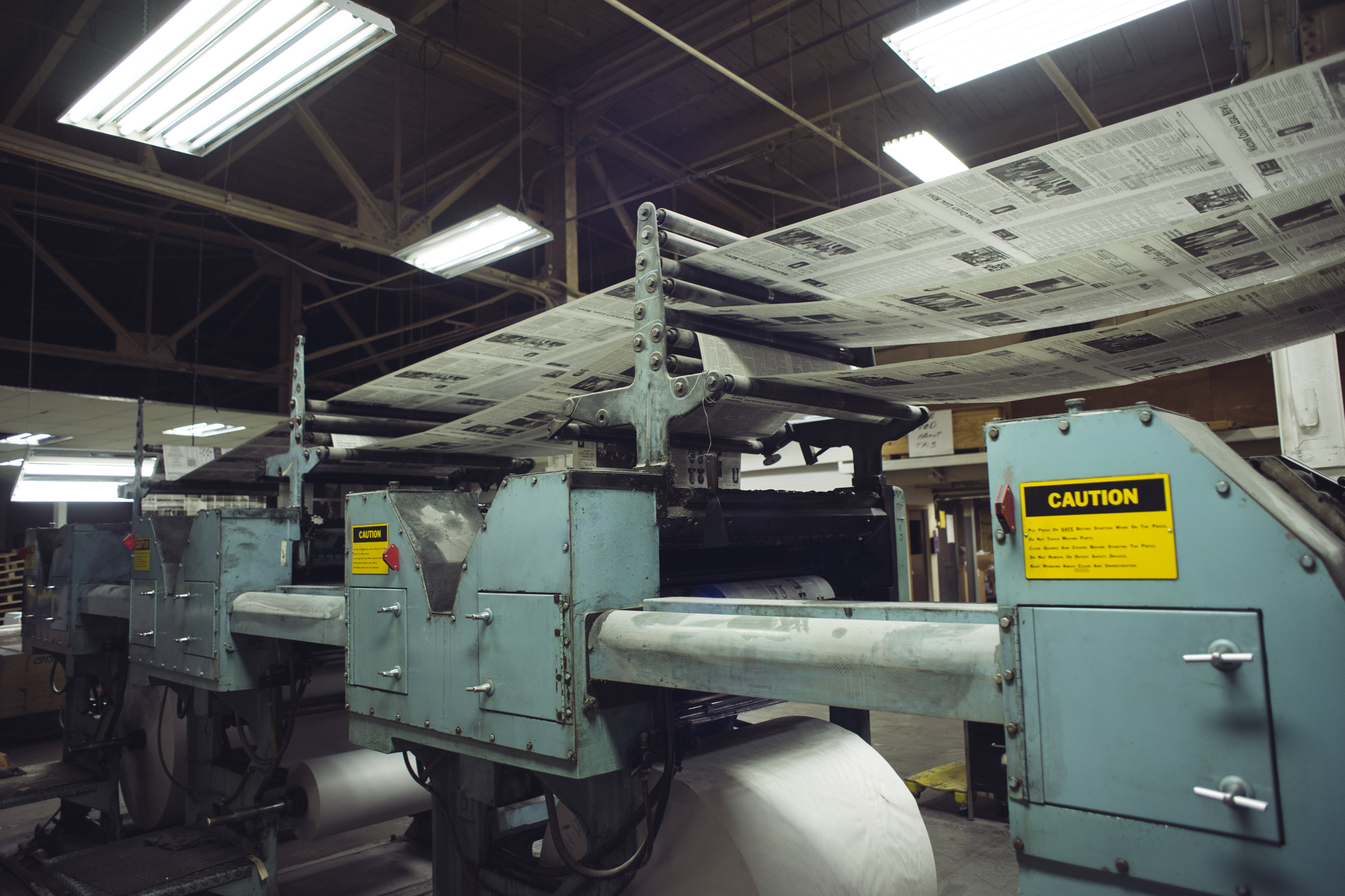
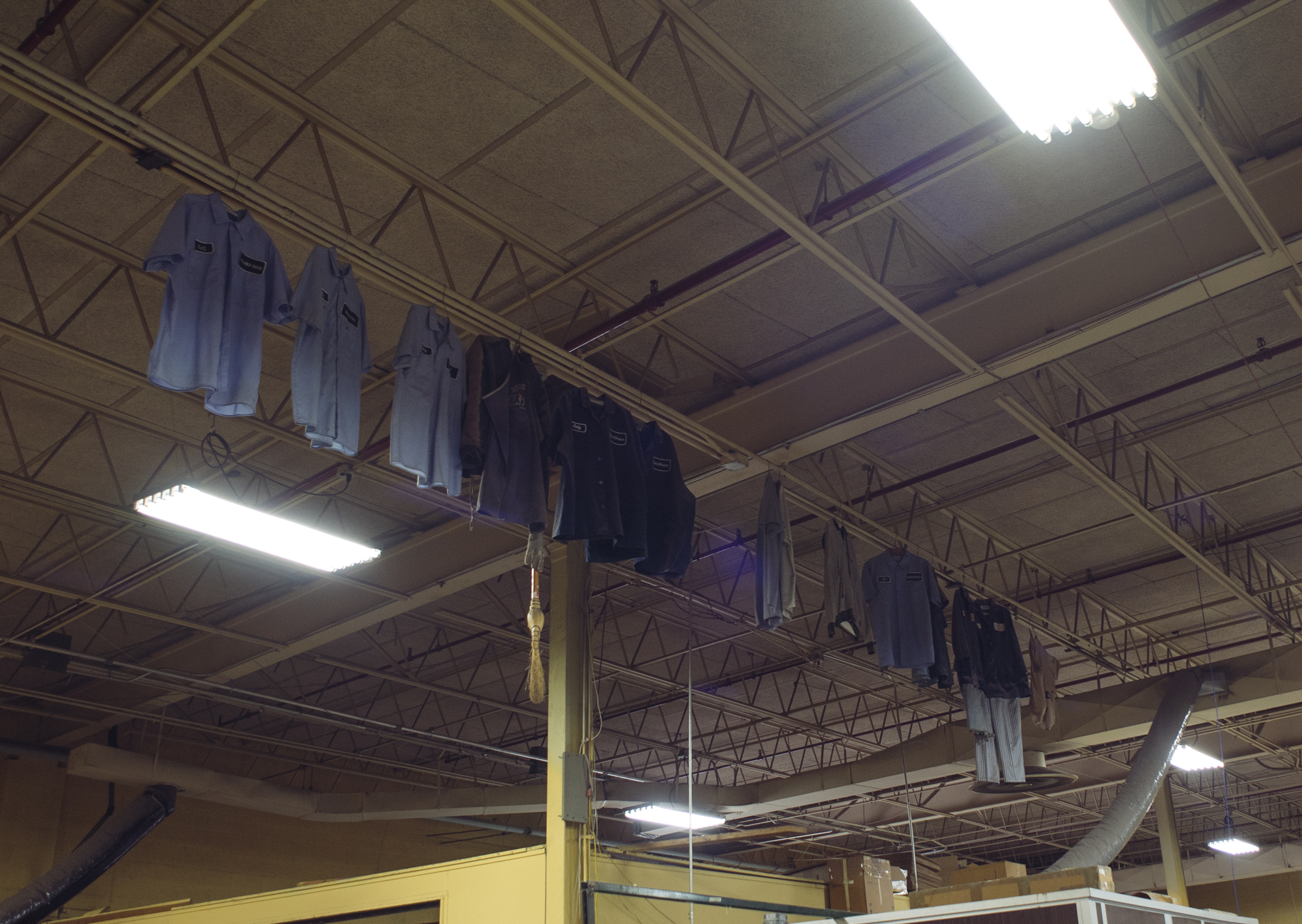
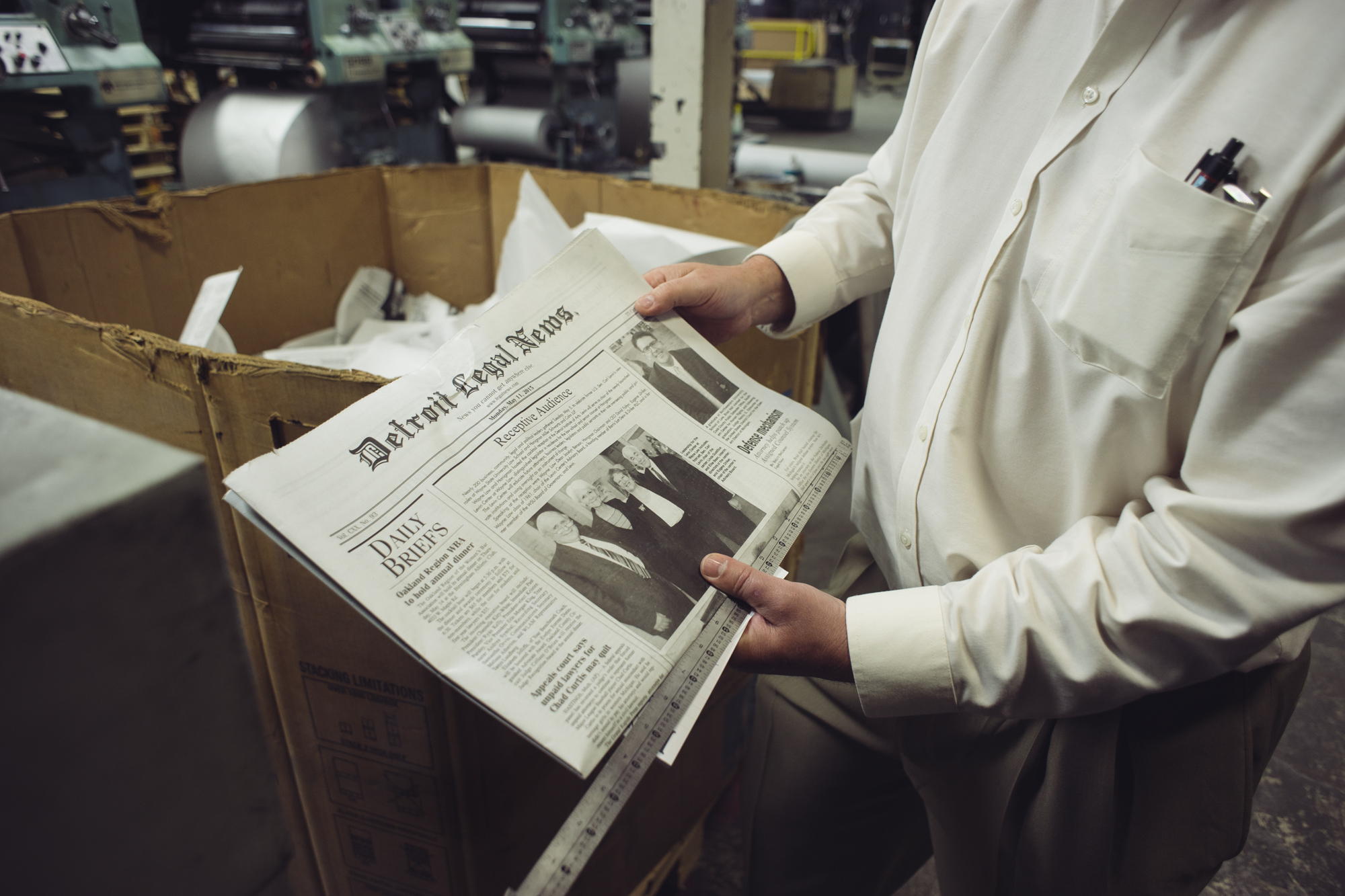
We left Inland Press impressed by the total generosity of these people. They made it a point to give us useful information, even though we showed up unannounced during their business hours. We also realized that we needed to carry notebooks with us literally everywhere; never know when you’ll find someone/something.

For lunch we went to a place called Batch Brewing Company. It’s been open about 3 months and has at least ten original beers on tap…which we tapped and did not regret it. Also, the food was great! Spicy, interesting and delicious. Even better than that, though was the info we got off the owner, a guy named Stephen Rogenson who has been home brewing since age 19.
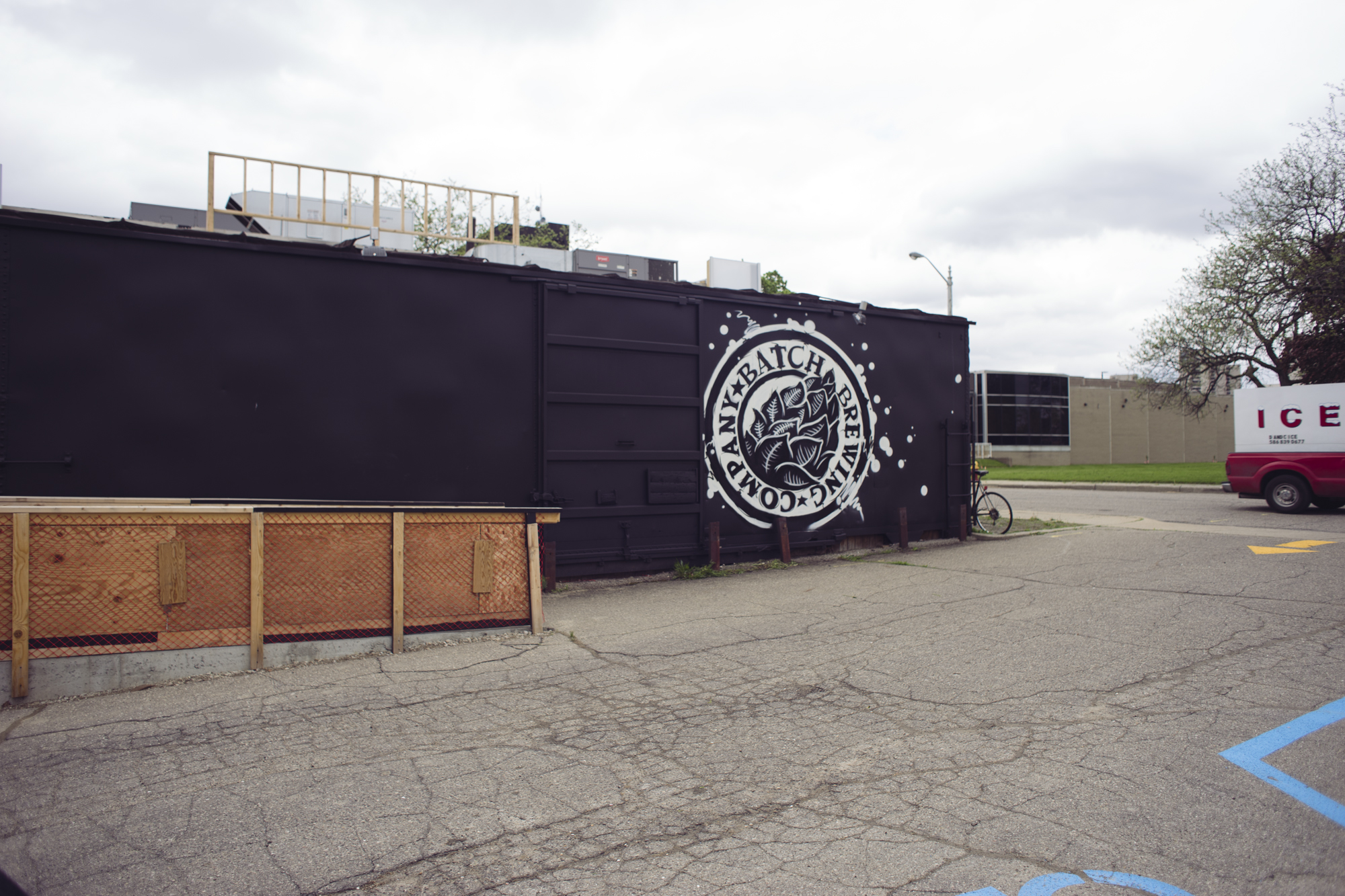
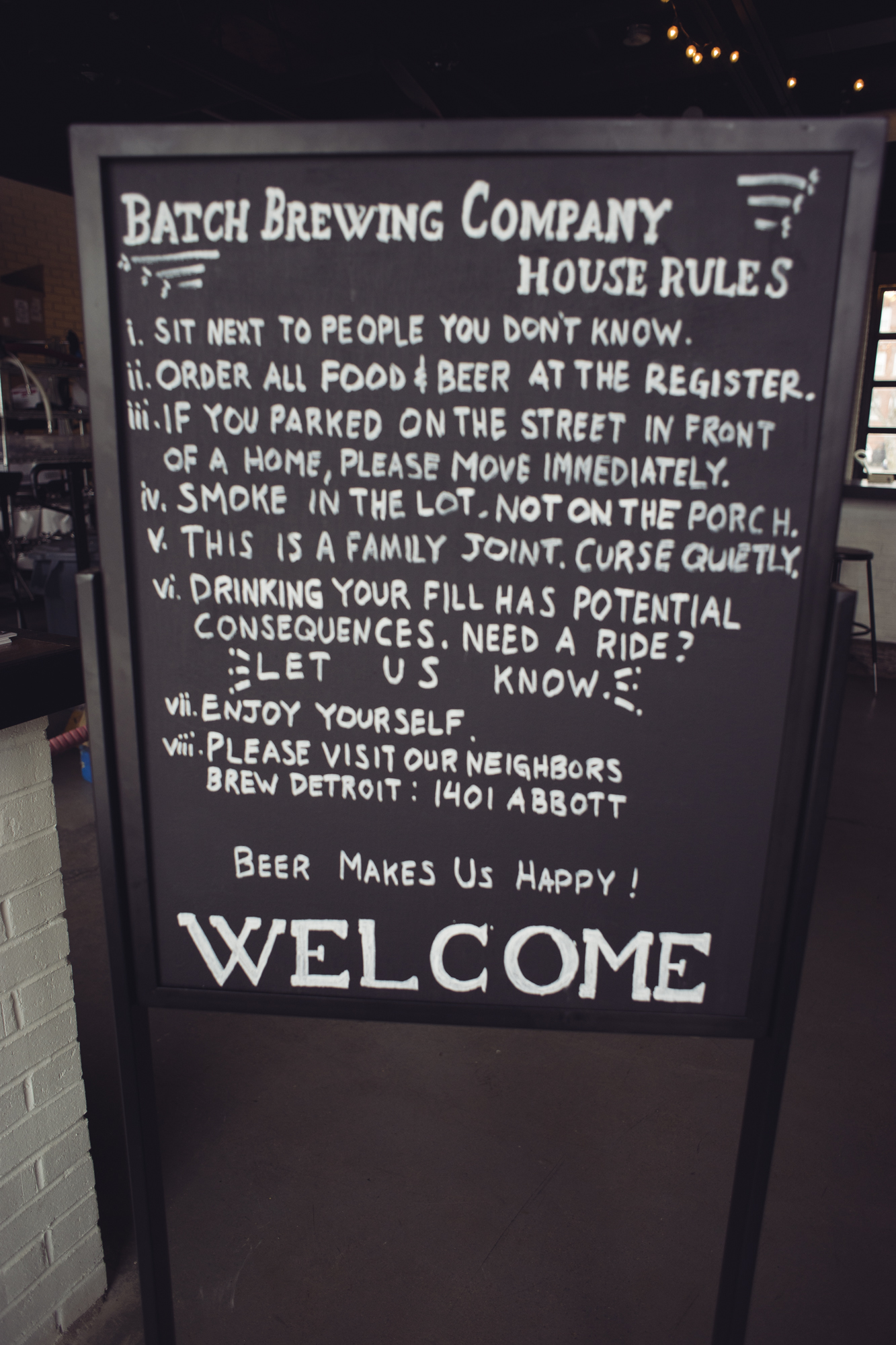
When we asked him, he gave us a gruff, pragmatic viewpoint that was definitely characteristic of a DIY kind of guy. He said a young artist should move into a slightly outsider neighborhood in order to help revitalize that neighborhood. He also said “Don’t come to Detroit to save it. Detroit doesn’t need saving…and don’t come unless you’re willing to collaborate”. This sounds like a guy who is not only involved in his community but is prescribing ways in which we can help it. And it is obvious that it was more important to help his community through us than to help move into his community — a very respectable point of view to have on two outsiders looking to take advantage of the opportunities in his hometown.

That’s something that seems to pervade the ideology: “this is my city“. These people own it with such fervor, maybe because they have had to endure so much to stay there. Also, the younger people feel a totally different ownership than the older crowd. When speaking to Kelsey Hubbell, a public outreach worker at the Children’s Center for Autism, we got an interesting viewpoint: the younger generation has grown up with their parents’ prejudice in their minds, a prejudice that stems from seeing the downfall of Detroit after the riots in 1967; however, “our generation”, as she called it, is removed from that prejudice because we did not see the riots, they didn’t feel the fear that their parents felt. Therefore, they feel a sense of pride in moving back to the city and rebuilding it to fit their vision for the world. She said that this is specifically true of white families, since the majority of the white population moved away — “white flight”, a form of passive aggressive racism, according to her and many other people of varying generations; some claim that it was racism that crippled the city in the first place.
“Young people are moving into Detroit.” We’ve heard that several times since we’ve been here. Every time we hear it we get more excited.
But we got a very prideful viewpoint from Kirk when we moved into the house today. Again, we heard him say “this is my city” with the pride of a man who has fought for the place he loves.
Well, we saw the upstairs, talked business and settled the deal. But we spent way more time just talking. He asked us to talk about ourselves, and it’s a good thing Ryan was feeling talkative because Rory was not. After Ryan told his life story, we began discussing what we were there to do. Kirk listened and gave us pointers based on what we were saying. He said “I have an advantage over you because I know the city. So if you ever have any questions just ask”. We talked for a long while about the characters of each neighborhood in Detroit. We discussed the vibrancy of the Mexican town, the pride of Hamtramck (“I’m from Hamtramck, not the D”), and how Woodward avenue cuts the city into the West and East sides (“the West side is safer, that’s where we are”). He discussed the safety of his neighborhood, saying that he has never had a problem in the 40 years he’d lived in the house, which shares the block with several abandoned homes. He went on to say that usually violence happens between people who know each other, it rarely comes down on people who don’t involve themselves in it.
He then enlightened us about the specialty of Detroit cuisine: Coneys. He insisted that we had to try a real, Detroit-style hotdog. So, after we got our stuff inside, we took Kirk out for some Coneys.
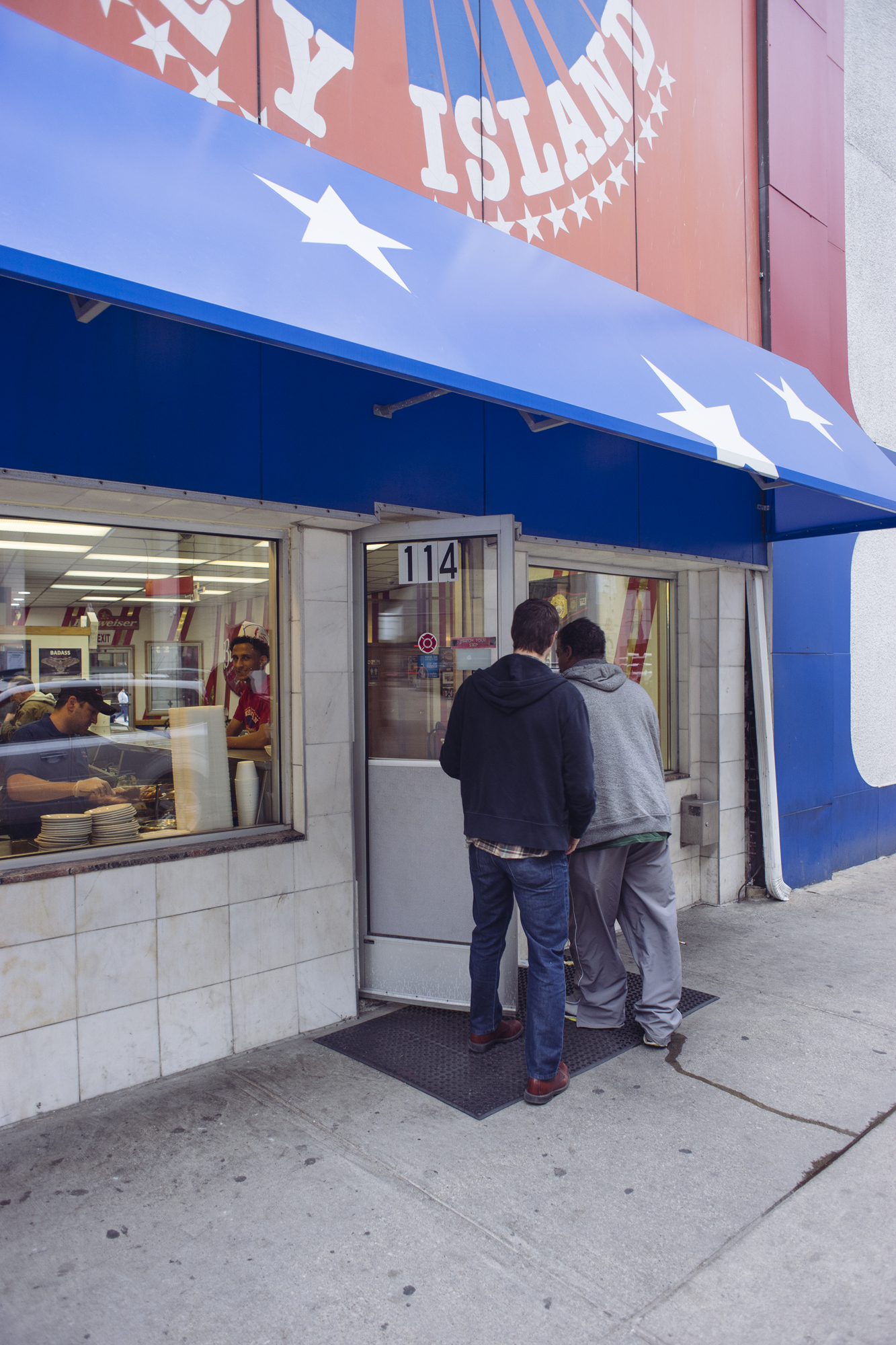
At the restaurant, the American, we indulged in some stacked hot dogs: chili, ground beef, onions, mustard and ketchup (we all ate salads first, so it’s cool). Kirk and I had the man-version with extra fixings; Ryan decided to be a pansy and have the regular one.

As we ate, Kirk asked us about what we do at school. We discussed our schedules, our lifestyles, how we support each other and how hard we have to work to keep up. Then we explained the entire mask progression from static forms in the space all the way to red nose. He was pretty impressed with the depth of our work. He was also impressed by our vocabularies (only natural for a lifetime educator).
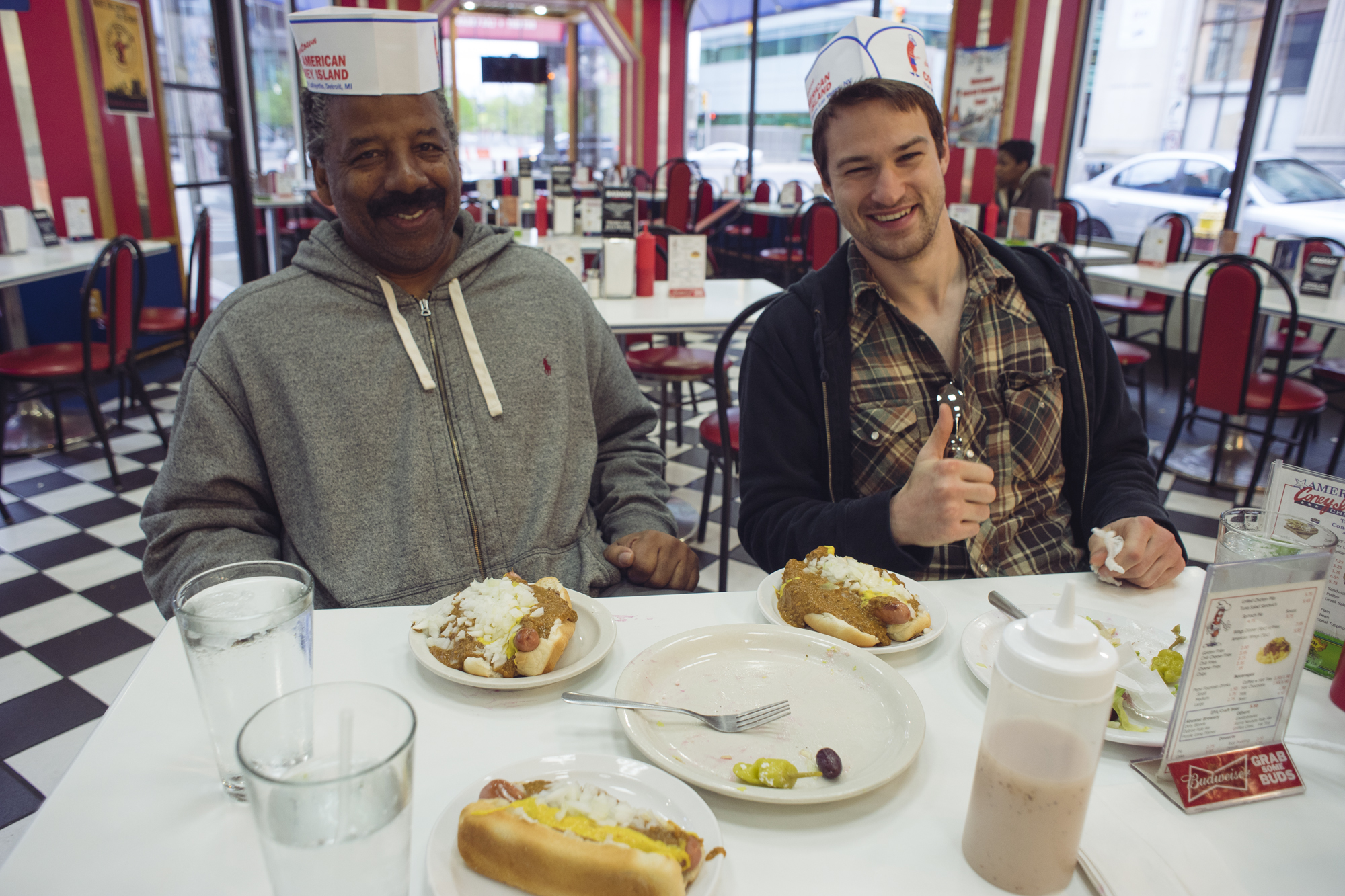
We talked with our waiter, the first high school student we posed our question to. He said yes, we should move downtown, there’s a lot of stuff happening all the time, especially on the weekends.
After dinner, Kirk took us on a tour of Woodward Avenue. As we left downtown we saw skyscraper after skyscraper with the broken windows and graffiti that marked it as abandoned.
As we drove farther north we continued to see blight mixed in with affluence. In fact, it seems just part of the world and has its own kind of aesthetic charm. We even found ourselves hoping to see abandoned buildings, simply because they were so fascinating.
When we voiced our fascination, Kirk said, “you mean you don’t have abandoned buildings in North Carolina?” Guy’s got jokes.
We discussed with Kirk the decline of faith in the city after the automotive industry folded in the late 50’s and 60’s. He said “women are more faithful than men. But men, because of their strength, believe that they don’t need help” meaning that as times grew harder men turned further from God. “And then the family broke down, especially in the black communities: the man would leave and that was it [the family was destroyed]”.
When Ryan noticed the high number of churches, Kirk explained that Detroit is a very hardworking, conservative city and because of this it’s very Christian. Ryan mentioned that the south is called the “Bible belt” to which Kirk responded “and Detroit isn’t far behind.”
It was also quite interesting to hear him discuss the different schools we passed, pointing out at least three he’d worked at and several which he had influenced through his relationships with the higher administration. We found out that he got his bachelors degree in special education, a certificate in administration, a masters in learning disabilities, and a PhD in higher education.
We were very moved by his way of being. We are truly blessed to have such a wonderful guardian during our time in Detroit. It is very clear that he is more than simply a landlord to us. He is a resource, a guide, an advocate and a father. He sees us as his sons, at least while we are in his house. (We promise it’s not creepy)

Detroit is a much more complex nut to crack than many people make it out to be. Of course, there are shards of glass on countless front porches from windows that were broken decades ago; 15 year olds shoot each other for no good reason; getting by is not just an accomplishment, sometimes it’s a miracle. But Detroiters have heart. These people are the ones who stuck it out because they could stick it out.
There is much beauty in that.
Love R&R – 4:43AM
 Should a Young Artist Move to Detroit?
Get some sleep!
LikeLike
We’re trying! Our sleep clocks have been altered drastically. Late nights bring great blogs.
LikeLike